The Five Keys to a Thriving Gifted Education Program

By Dan Rosenberg | K-12 Chief Gifted Education Specialist & Emma Sorkin
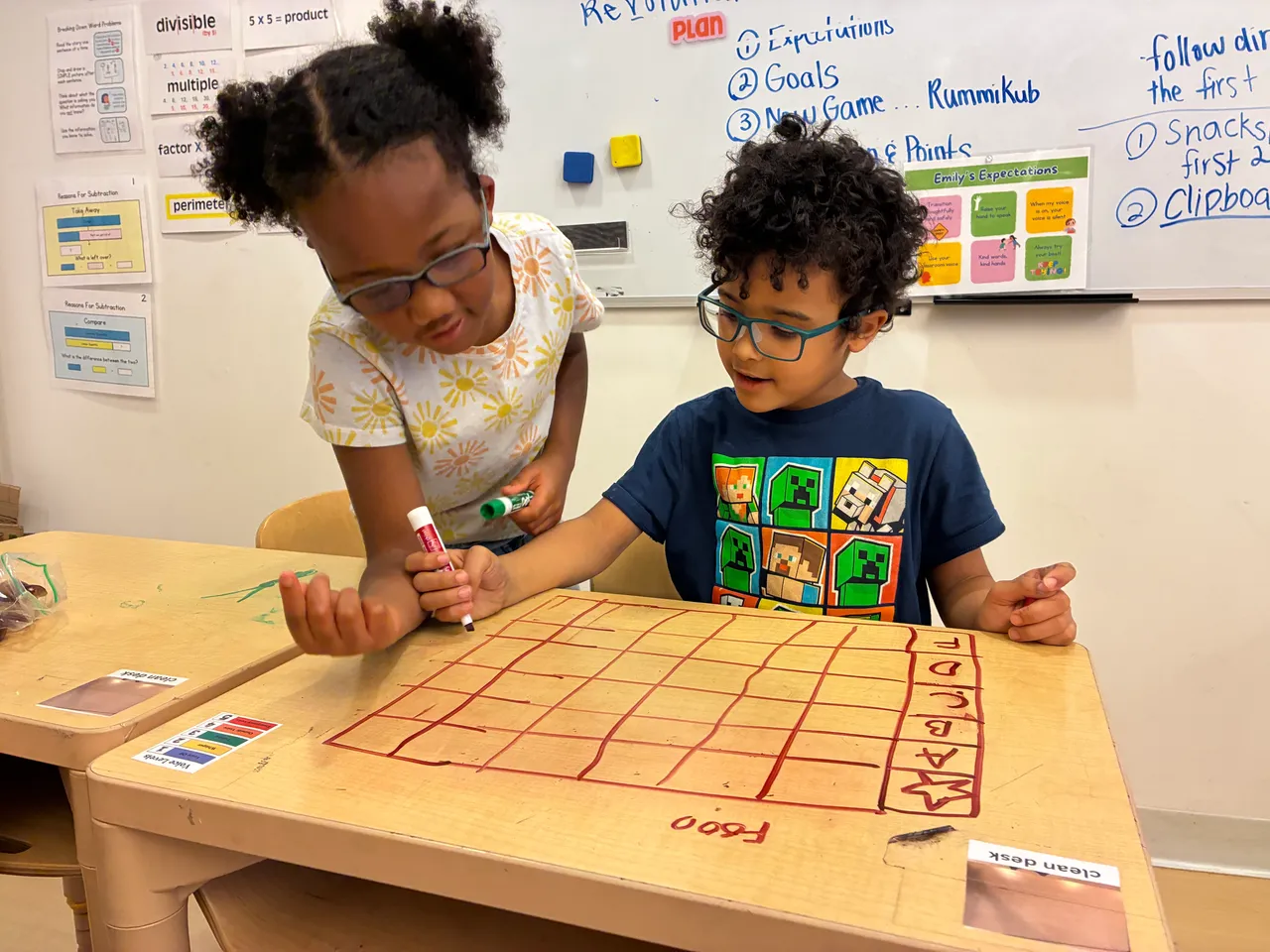
No two twice-exceptional (2e) students are the same, and gifted education practices are essential in order to meet these learners’ varying needs. The classroom experience for all students, including those identified as gifted, should be tailored to each student’s learning style, strengths, and interests.
We ensure this practice is infused into every facet of our program.
Through the process of establishing our own thriving gifted education program, we have implemented five core gifted education best practices.
Understand the Difference: Differentiation vs. Personalization
Differentiation is teacher-driven. A teacher might give one student a test with a bigger font, one student a test with more images, and one student a more challenging test.
Personalization is student-driven. Making students partners in advancing their education is essential for nurturing potential in gifted, 2e students. Personalization is about creating those opportunities, scaffolds, and support as needed while providing encouragement.
Lead with Personalization
Personalization is a core element of successful teaching and learning. For gifted 2e students in particular, learning profiles come with a range of talents and struggles. While some education settings focus on areas of weakness and “fixing” certain differences, the best 2e models focus on students holistically.
No strengths or weaknesses exist in isolation, and every profile is uniquely nuanced and complex. That’s why an integrated model is key to a more strengths-based educational approach. Personalized learning allows students to identify, nurture, and enhance their strengths, abilities, and potential across a range of subject areas.
It is important to look at ways to capitalize on those strengths while still acknowledging areas for growth and being more strengths-focused. Sometimes we don't realize how much prep work happens behind the scenes to make that happen, and the best teachers make it look effortless. It does take a lot of work, but once it comes together, it's magical.
Emphasize—and Adapt—Rigor
Gifted 2e students require challenging academics to feed their high potential for academic excellence. Emphasizing a high but adaptable level of rigor allows students to receive an appropriate-level challenge and spark meaningful academic growth every day. Creating enrichment opportunities is an ongoing process that allows students to take on that “just right” challenge. Teachers identify where students are and then challenge them in a way that creates a struggle that is manageable and appropriate. It is through that struggle that students grow.
Balance Academic and Social-Emotional Learning
Social-emotional learning (SEL) is the holistic support of students’ social and emotional needs while they engage in their academics and is an essential piece of a successful gifted education model. Creating stability and a reassuring presence reinforces SEL practices and ensures that gifted learning is seen through more than just an academic lens. Prioritizing SEL helps create a comfortable environment where teachers are able to get their students to demonstrate what they know.
Make Your Classroom Adaptable
Gifted education strategies are best practices for all learners. Creating an environment where adaptable opportunities for gifted learners are not only permitted, but expected, is essential. This happens through support from administration, professional development, appropriate planning time, and time for teachers to visit other classrooms and have meaningful conversations with their colleagues.
At its core, gifted education is recognizing that there are students with different learning profiles who need something different and then implementing what they need to succeed. That goes from teachers recognizing learning differences and having the training and knowledge to do so to building a school culture and environment where the opportunities for gifted learning practices exist.
Gifted education is more than just accelerated learning. It’s about creating opportunities for students to develop their talents, explore their passions, and grow as well-rounded individuals on a daily basis.
As we say at Quad Prep, it’s not if, but how.

A not-for-profit independent college preparatory school, Quad Prep’s rich and robust curriculum engages, challenges, and inspires students at all levels, K–12, through our Lower School and Upper School programs. Quad Prep does not discriminate on the basis of race, color, religion, sex, gender identity or expression, sexual orientation, national and ethnic origin, ancestry, age, marital status, disability, or any other characteristic protected by law. This policy applies to, but is not limited to, educational policies, admission, financial consideration, hiring and employment practices, use of school facilities, athletics, and other school-administered programs.